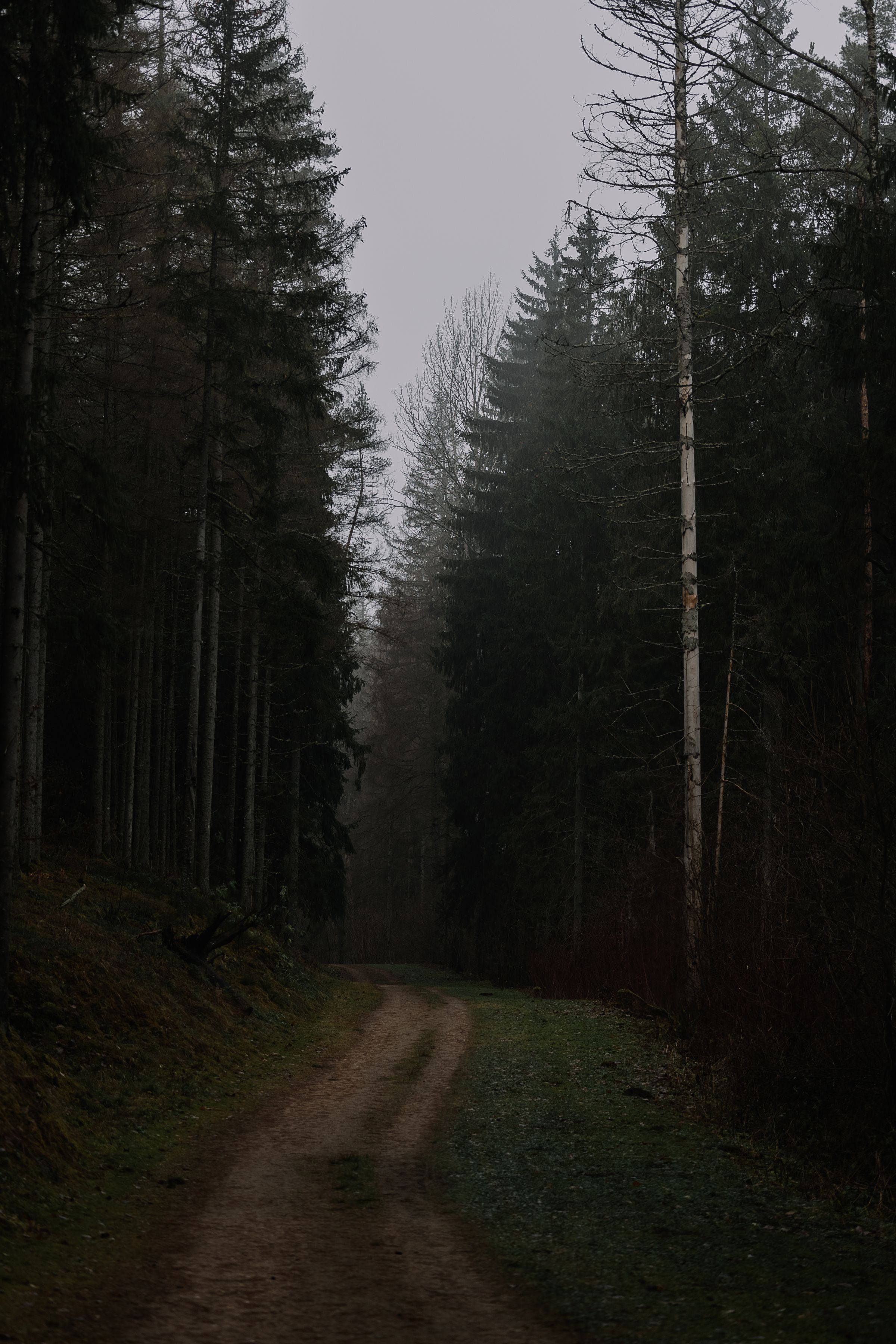
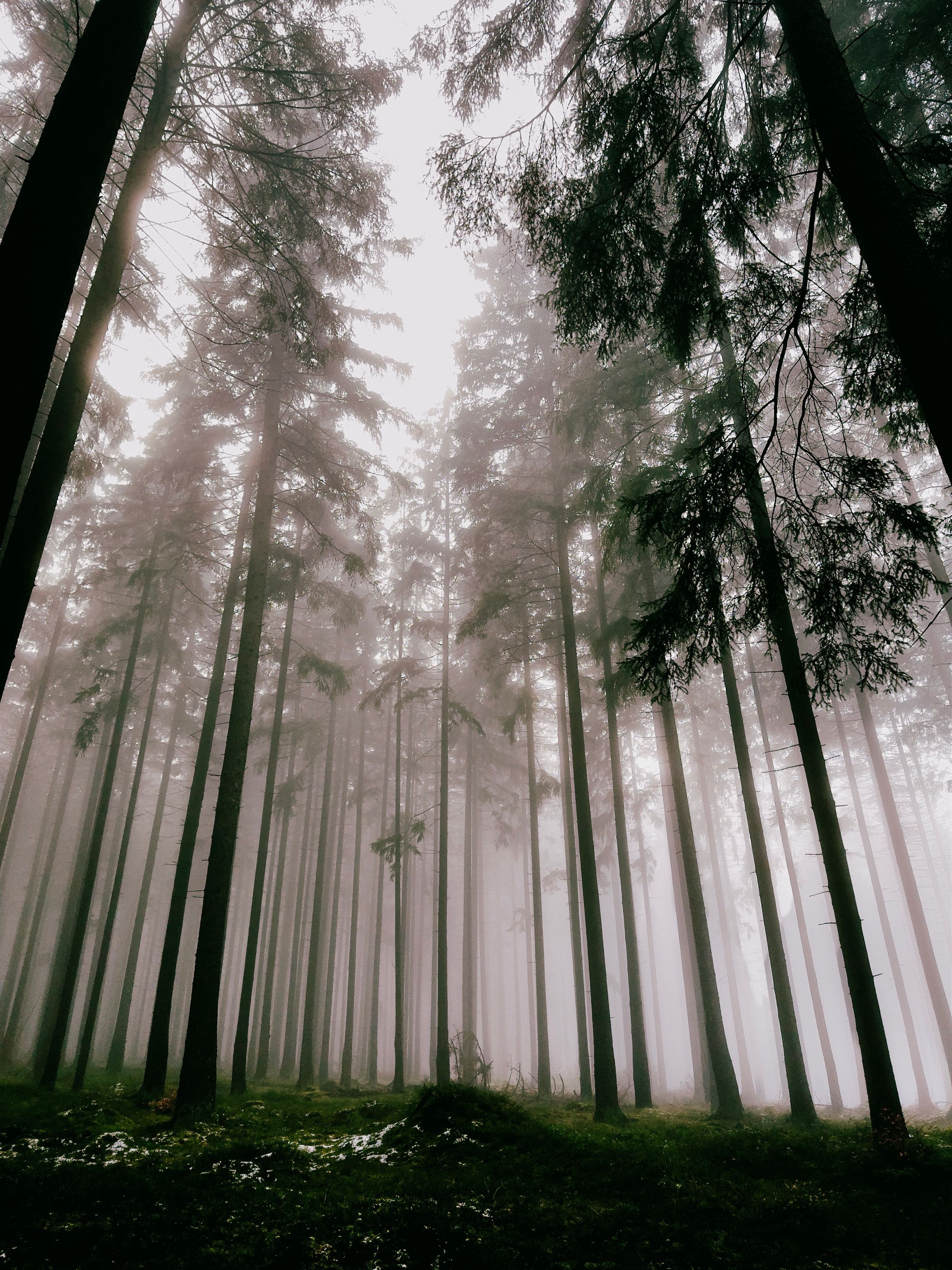
Most people think of Puerto Rico as a coastline. Understandably — it is where the planes land and the water is the color it is. But the island's interior tells a different story, one that has very little to do with sand and a great deal to do with elevation. Follow the roads inland and upward, through Adjuntas, through Jayuya, through the folded green hills of the Cordillera Central, and the temperature drops, the light changes, and the fog arrives before the sun does.
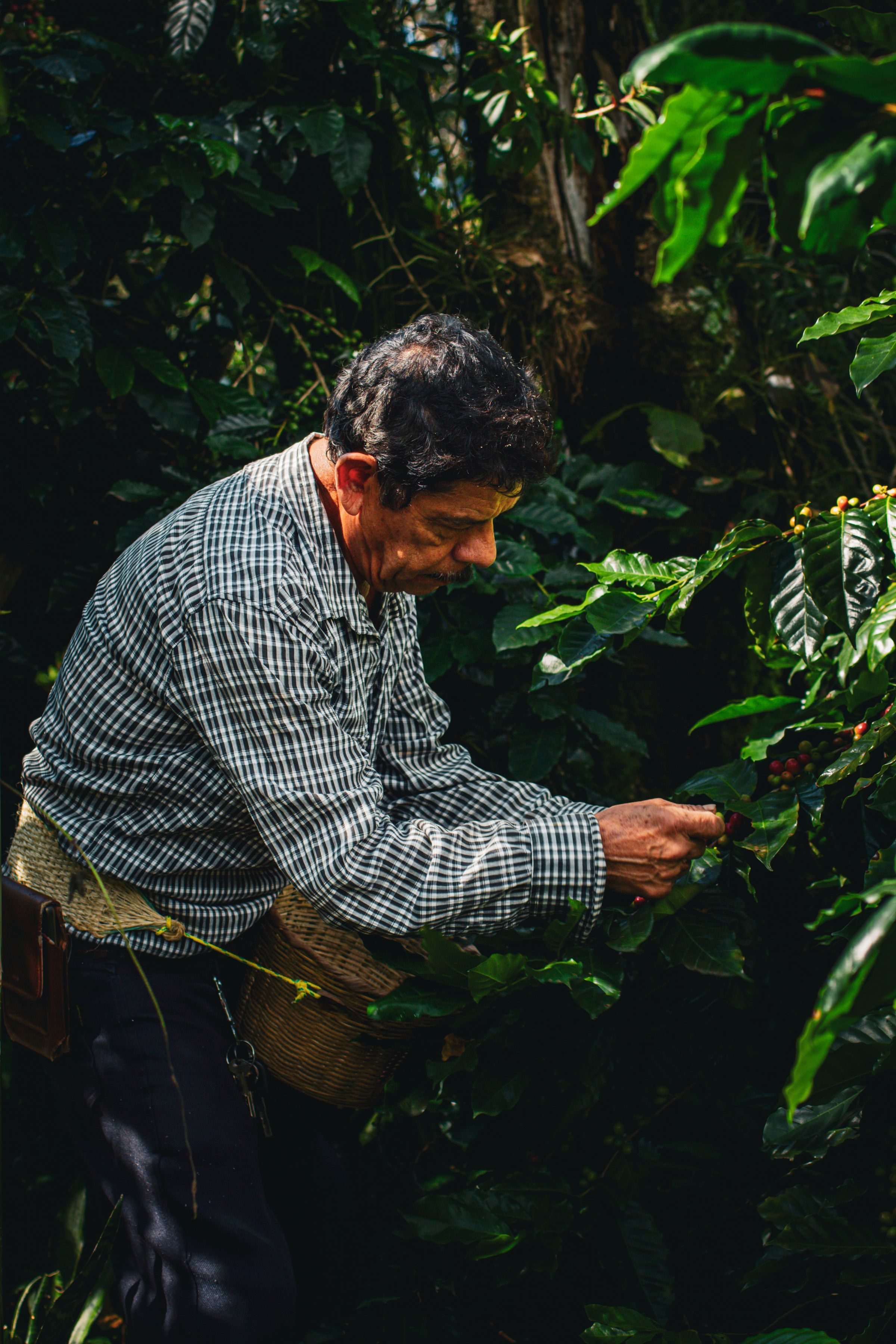
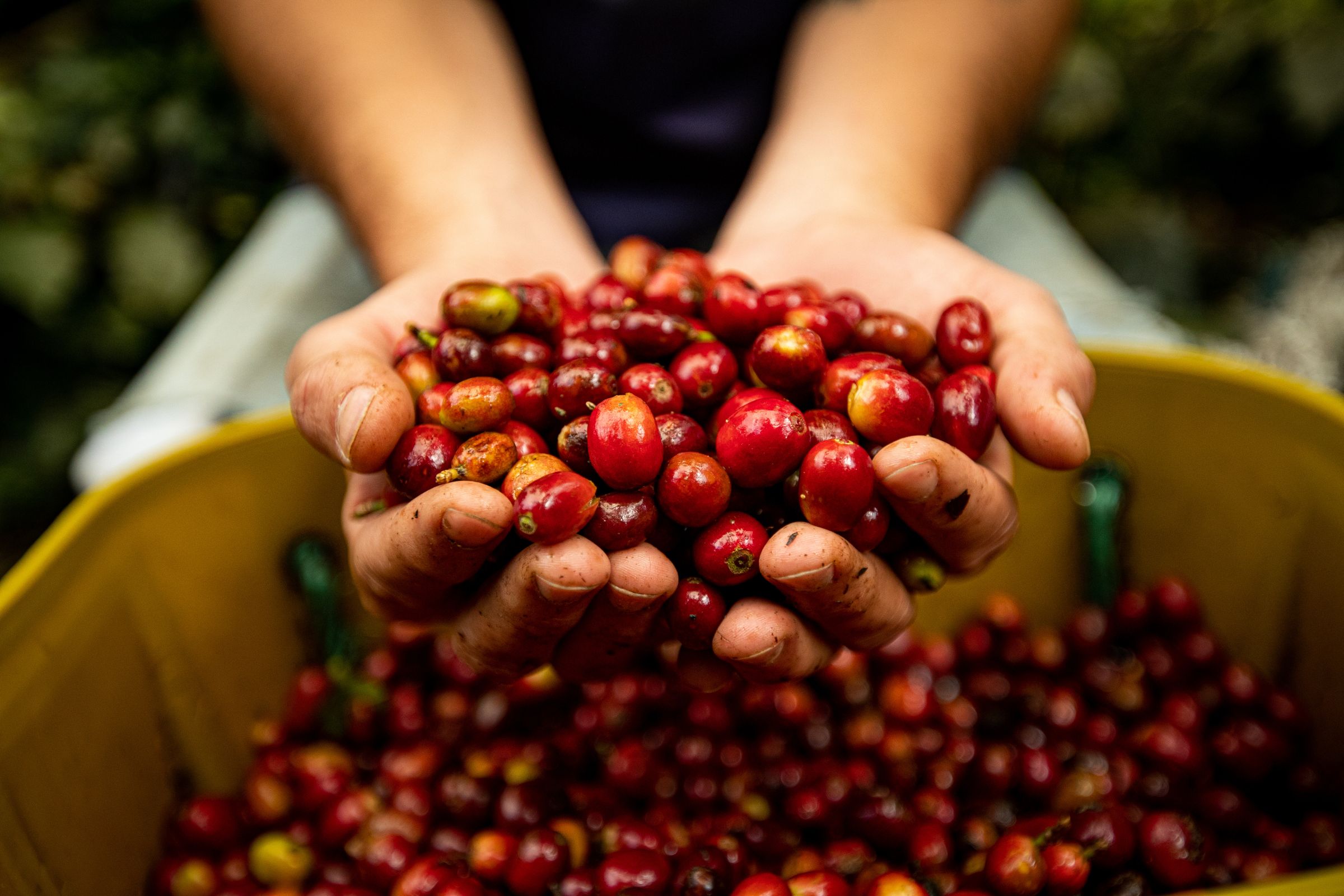
This is coffee country, and has been for over two centuries. Puerto Rican coffee once traveled to the tables of European royalty, grown on hillsides so steep that harvesting still cannot be mechanized — it must be done by hand, cherry by cherry, the way it has always been done. The industry has contracted since then, land by land, generation by generation, but what remains is not a relic. It is a family inheritance, still being paid forward by the people who never stopped tending it.
To spend a morning here is to understand that coffee was never really the point. The point is the patience it requires — the years between planting a tree and its first real harvest, the unhurried attention a hillside demands from anyone who wants to keep farming it honestly. It is a way of measuring time that has almost disappeared everywhere else: not in quarters or deadlines, but in seasons, in generations, in the particular quiet of a mountain morning before the mist burns off.
The families who still farm this land do not think of themselves as an attraction, and the House does not treat them as one. What they offer a Collector is not a demonstration but an introduction — to a kitchen table, a roasting room, a view down into a valley that has looked more or less the same for a hundred years. It is a slower register of hospitality than the coast's, built less around performance and more around simply being let in.
There is a version of Puerto Rico that never appears on a postcard because it does not photograph the way the beaches do — it has to be felt instead, in the cold of the morning air, the smell of woodsmoke and roasting beans, the particular hush of a valley before it wakes. This Collection exists for the Collector who suspects that version might be the truer one.
This Collection is not designed to teach Collectors about coffee. It is designed to help them understand where mornings begin.
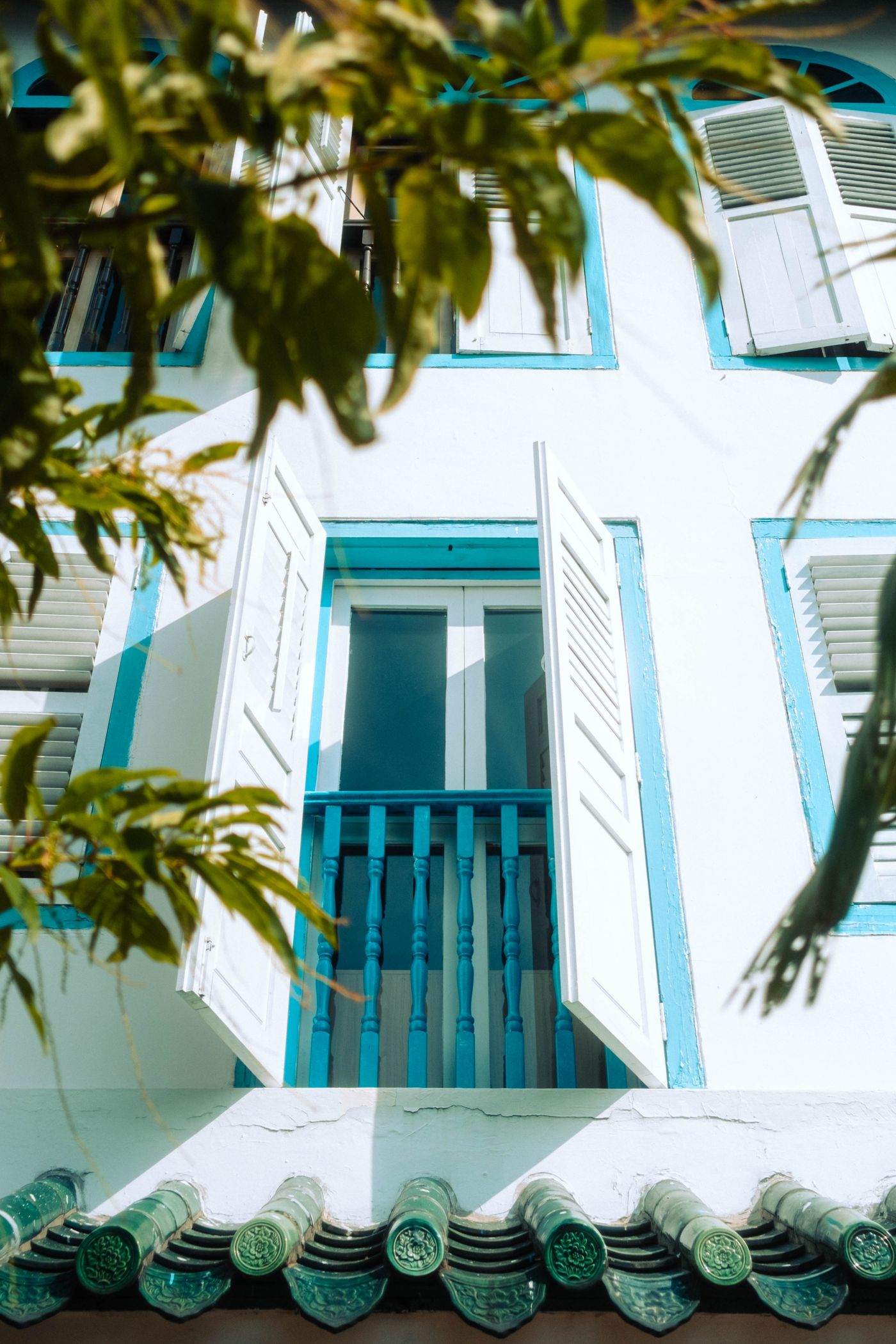
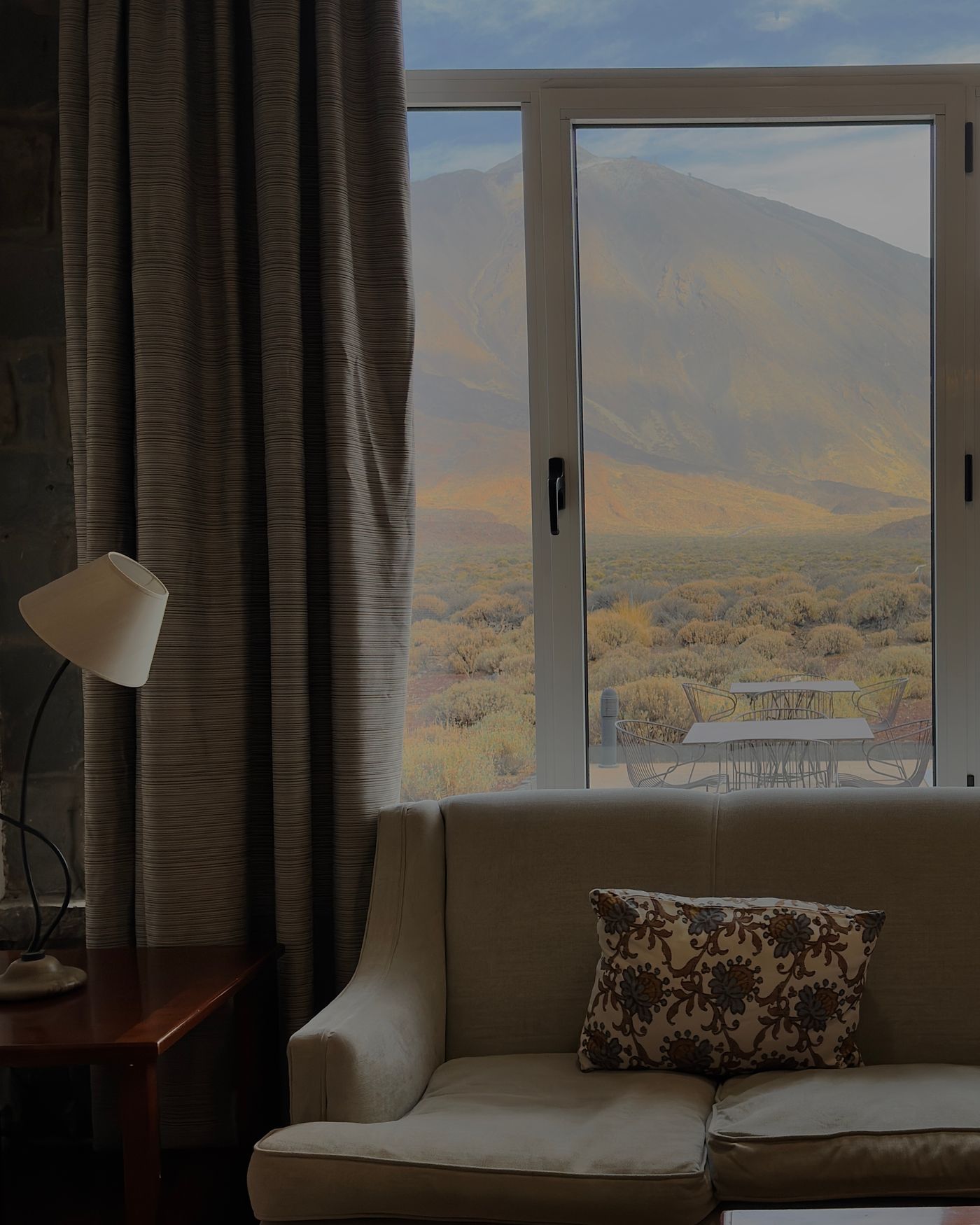
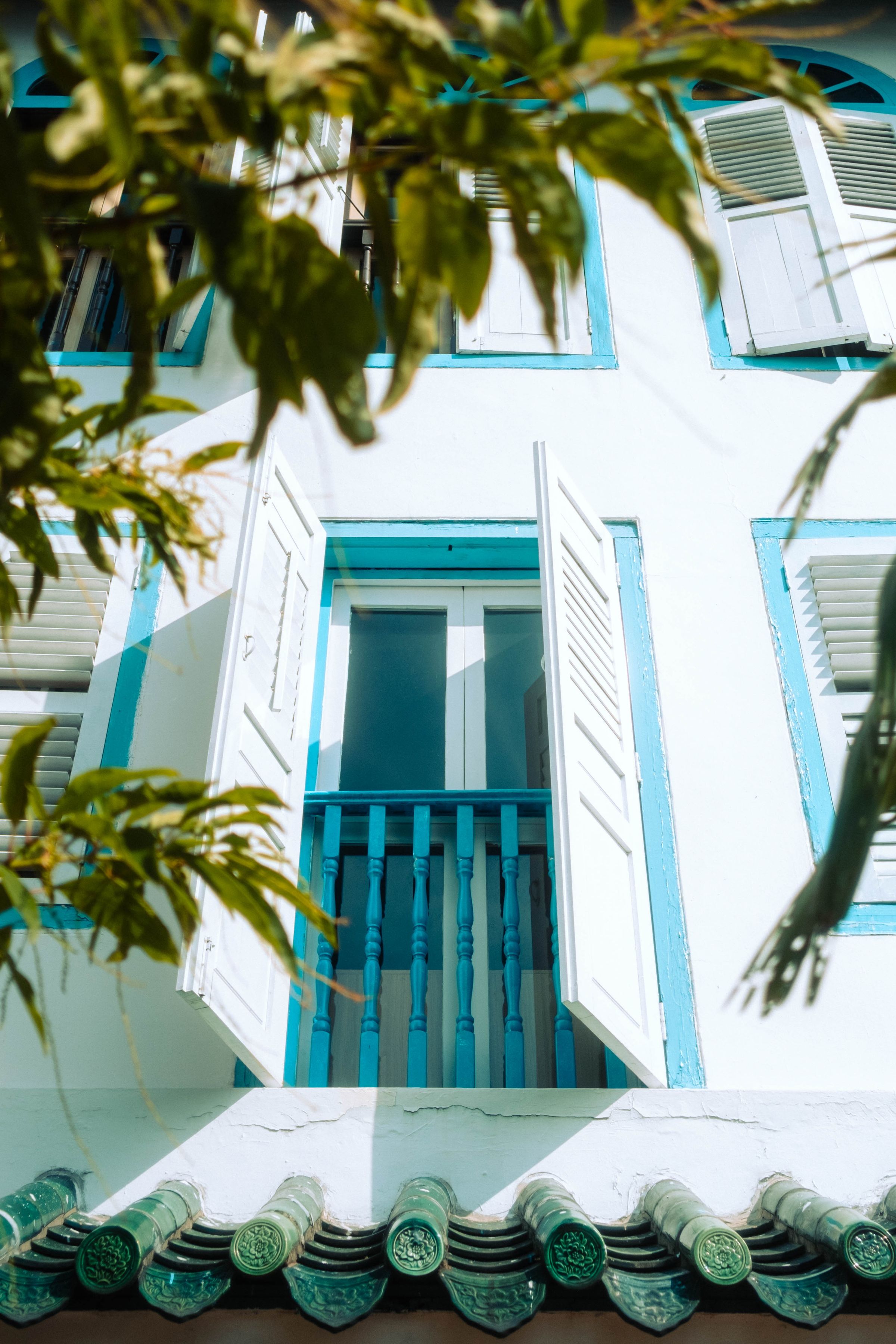
You wake to cold air moving through an open shutter, which is itself a small surprise — you had forgotten Puerto Rico could feel like this. Outside, the fog has not yet decided whether to lift. Somewhere below, a dog announces the morning to no one in particular, and birds you cannot yet identify are already at work.
Breakfast happens slowly, at a wood table, with eggs from that morning and bread from a bakery that has no sign. The coffee trees outside the window are still wearing dew, and by the time you walk among them, a member of the family who has farmed this hillside for four generations is already waiting — not to perform a lesson, but simply to walk with you, the way you would walk a neighbor through their own garden.
The afternoon has no fixed shape. Perhaps a market, perhaps a river no map bothered to name, perhaps simply a long doing-nothing on a porch with a view down into the valley. By evening, you are back at a wood table — this time with the whole hillside falling away below you, mist rising off it, someone's grandmother's recipe on the table, and no particular reason to be anywhere else.
Every Edition is arranged for the Collector who will live it, so nothing below is fixed to a time on a clock. What follows is a feeling, and the kind of moment the House tends to shape around it.
Fog still settled in the valley, the trees just visible, the whole hillside holding its breath before the light arrives.
Wood-table breakfast, dew still on the coffee trees, a family's working morning happening around you rather than for you.
The sun finally reaching the valley floor — markets, kitchens, and the particular busyness of a mountain town at its most awake.
A porch, a river, a long doing-nothing with a view. The mountains do not ask you to fill this hour.
Woodsmoke, a family kitchen, a valley disappearing into dusk below a wood table set for dinner.
Many people search for the perfect cup of coffee.
The House prefers introducing them to the people who quietly spent generations making it possible.
A cup can be tasted anywhere. What cannot be replicated is the hillside it came from, the hands that picked it, or the patience it took to keep a family farm alive through a century of change. That is the version of coffee this Collection is actually about.
Every Collection is rewritten for each Collector, but these are a few of the places, people, and rituals that often find their way into this chapter. They are not selected because they are notable. They are selected because they belong to the story.
A working coffee hacienda in the highlands
Trees on a steep hillside, a roasting room that has smelled the same for decades, and a hand-turned wooden grinder still kept for the days the electricity gives out.
Ask what the harvest looked like this year, not last year. The answer changes, and it is never rehearsed.
A fourth-generation coffee family
This land has passed through four generations of the same hands, and the family that farms it now speaks about it less like a business and more like a relative that still needs looking after.
They will not perform their own history for you. Let the conversation arrive there on its own.
A mountain bakery with no sign
Known only by word of mouth in the town it feeds, open before dawn, and entirely uninterested in being found by anyone who wasn't told where to look.
Arrive while it is still dark outside. That is when the bread is at its best.
A forest overlook, and a hidden river below it
A view down through the canopy into a valley few maps bother naming, and a river at the bottom of it that residents keep mostly to themselves.
Bring nothing to do here. That is rather the point of it.
A local market, a mountain restaurant
A weekly market that still runs on cash and conversation, and a family kitchen nearby that cooks whatever the market decided to have that morning.
Ask what is fresh, not what is on the menu. The two are not always the same thing.
A small mountain chapel
Unremarkable from the road, and quietly moving inside — the kind of place better visited at dusk than midday, when the whole town seems to slow down at once.
You are not expected to stay long. Five quiet minutes are often enough.
These are represented as they most often appear, not as a guarantee. Harvest season, family availability, weather, and — most of all — the particular Collector determine what actually finds its way into any given Edition. The House curates; it does not template.
Where you stay is decided only after the House understands who is arriving. What follows are three kinds of Residences that often serve this Collection well — not a menu to choose from, but a sense of the range the House works within.
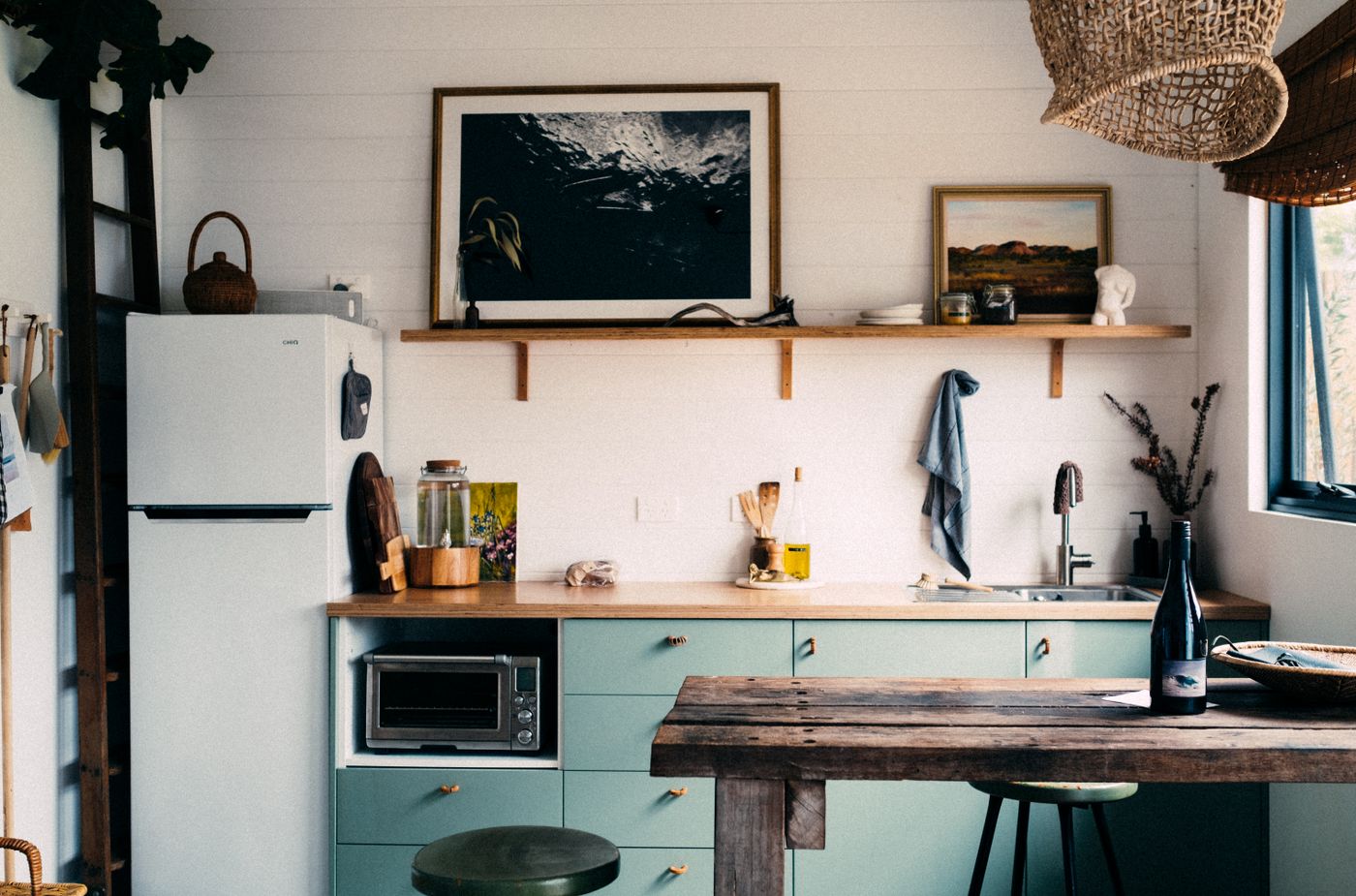
A working coffee property with rooms of its own — wood floors, a kitchen that still smells faintly of roasting, and a family nearby who farms the hillside you wake up looking at.
Small, family-run, and built into the landscape rather than against it — the kind of place chosen for a porch, a view, and a host who remembers how you take your coffee by the second morning.
A House-arranged home entirely your own, chosen for a particular window, a particular view of the valley, and the kind of privacy that makes a week feel unhurried.
This Collection is for Collectors who would rather understand where something comes from than simply consume it. Who find a foggy hillside more interesting than a beach chair, and who are curious enough about a family's four generations of work to sit quietly and listen rather than fill the silence with questions.
It is not for Collectors seeking a tour of an industry, or a tasting to check off a list. It rewards patience, humility, and a willingness to let a slower rhythm — a mountain's rhythm — set the pace of the day rather than the other way around.
If you believe the best mornings begin long before breakfast, this Collection was written for you.
The House has learned that the best conversations in Puerto Rico rarely happen over dinner.
They happen while waiting for coffee to cool.
A small, changing set of references the House associates with this Collection — not a packing list, and not required reading. Simply what comes to mind.
Trío music, played low on a porch radio — the unhurried string arrangements that still drift out of highland kitchens on a Sunday morning.
Green Beans and Barrios, a mountain-town memoir tradition — the small, unglamorous details of Puerto Rico's coffee interior, told without sentimentality.
Whatever the current harvest yielded — the House does not standardize this one. The cup changes with the season, on purpose.
Mofongo con caldo, made with whatever the market had — a family recipe adjusted weekly, the way it always has been, rather than fixed to a single version.
Woodsmoke and wet earth — the particular smell of a mountain morning after fog, before the sun has quite decided to arrive.
A hand-turned wooden coffee grinder — kept in a corner of the kitchen, still used the mornings the power goes out, which is more often than anyone official will admit.
"We thought we were visiting coffee country. Instead we discovered the people who had quietly shaped our mornings for years without ever meeting us."
From a Collector's letter, after a morning in the highlands
Old San Juan, Before Sunrise
From the mountains where the coffee is grown, back down to the city where it is poured.
Read the Collection →Hands of Puerto Rico
The farmers, bakers, and artisans whose hands shape the mornings this Collection reveals.
Explore the Collection →The Journal
Further essays on the House's philosophy, the island, and the people who shape both.
Read the Journal →Every Collection begins as a conversation. The places come later.