Long before Puerto Rico became a destination, it was built by hands. Hands that planted coffee on hillsides too steep for machines. Hands that rolled cigars, leaf by leaf, the way their own teachers had shown them. Hands that carved madera into saints for a home altar. Hands that stitched hamacas from cord that took a season to prepare. Hands that kneaded bread before the rest of the house woke up, and hands that, every so often, paused to teach another generation how it was done.
Most of these names never appear in a guidebook. They do not need to. Their work is already everywhere — in a cup of coffee, a hand-rolled cigar, a wooden santo standing quietly on a shelf, a loaf of bread still warm from a taller with no sign out front. The island has always been shaped less by its landmarks than by the people who kept its oficios alive, one apprentice at a time.
This Collection exists to introduce them — not as a market to browse, and not as a demonstration staged for an audience, but as an actual conversation with an artesano whose hands have been doing this work long enough to have opinions about it. The House does not consider this a shopping experience. It considers it one of the most direct routes to understanding the island at all.
Craftsmanship, done this way, is not simply the making of beautiful objects. It is a form of memory — a way a family, or a whole trade, keeps something alive that could otherwise be lost in a single generation of neglect. To sit with someone who has spent forty years perfecting one craft is to understand a version of patience and bregar that most modern life no longer asks of anyone.
This Collection is not designed to help Collectors shop for Puerto Rico. It is designed to introduce them to the hands that continue to preserve it.
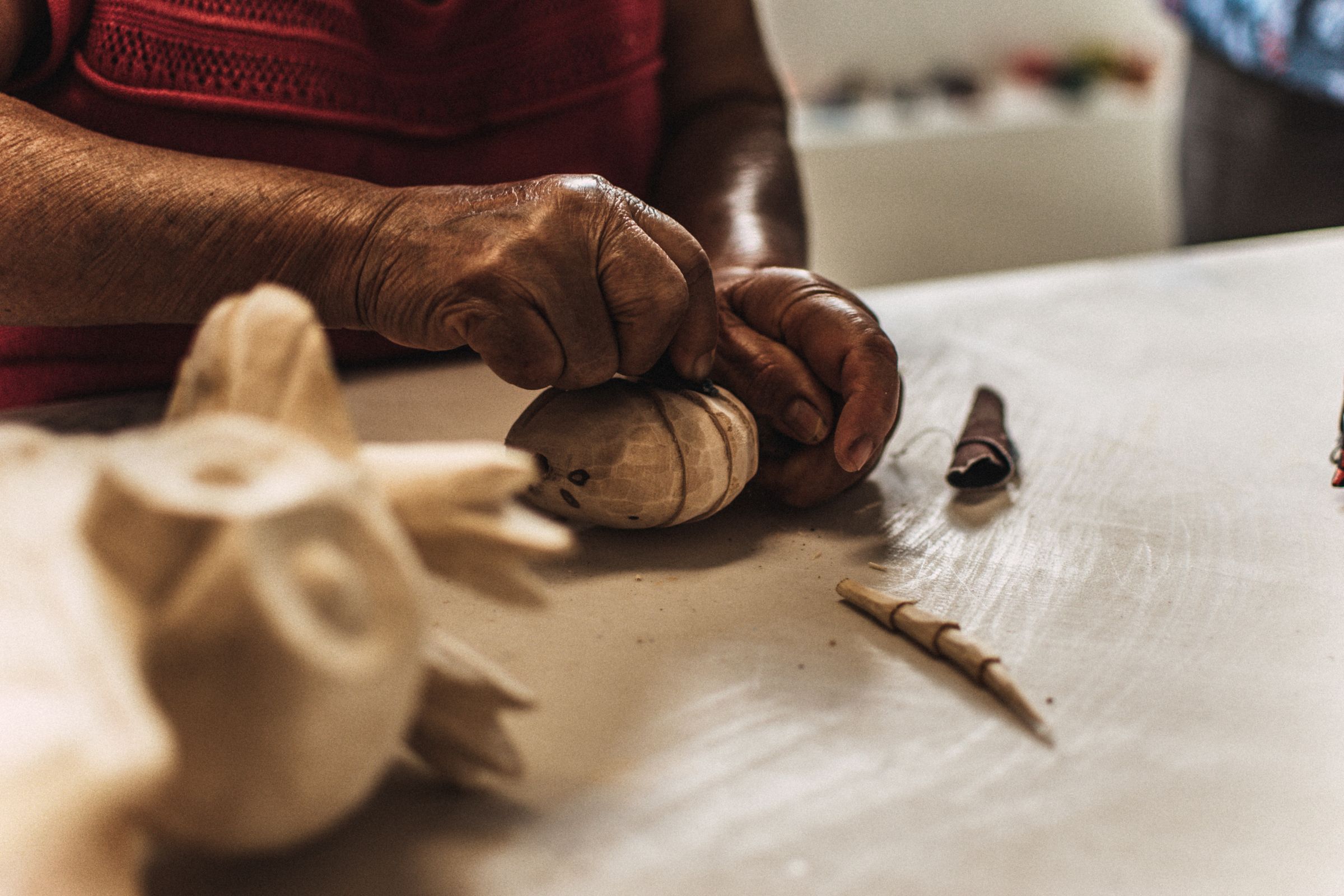
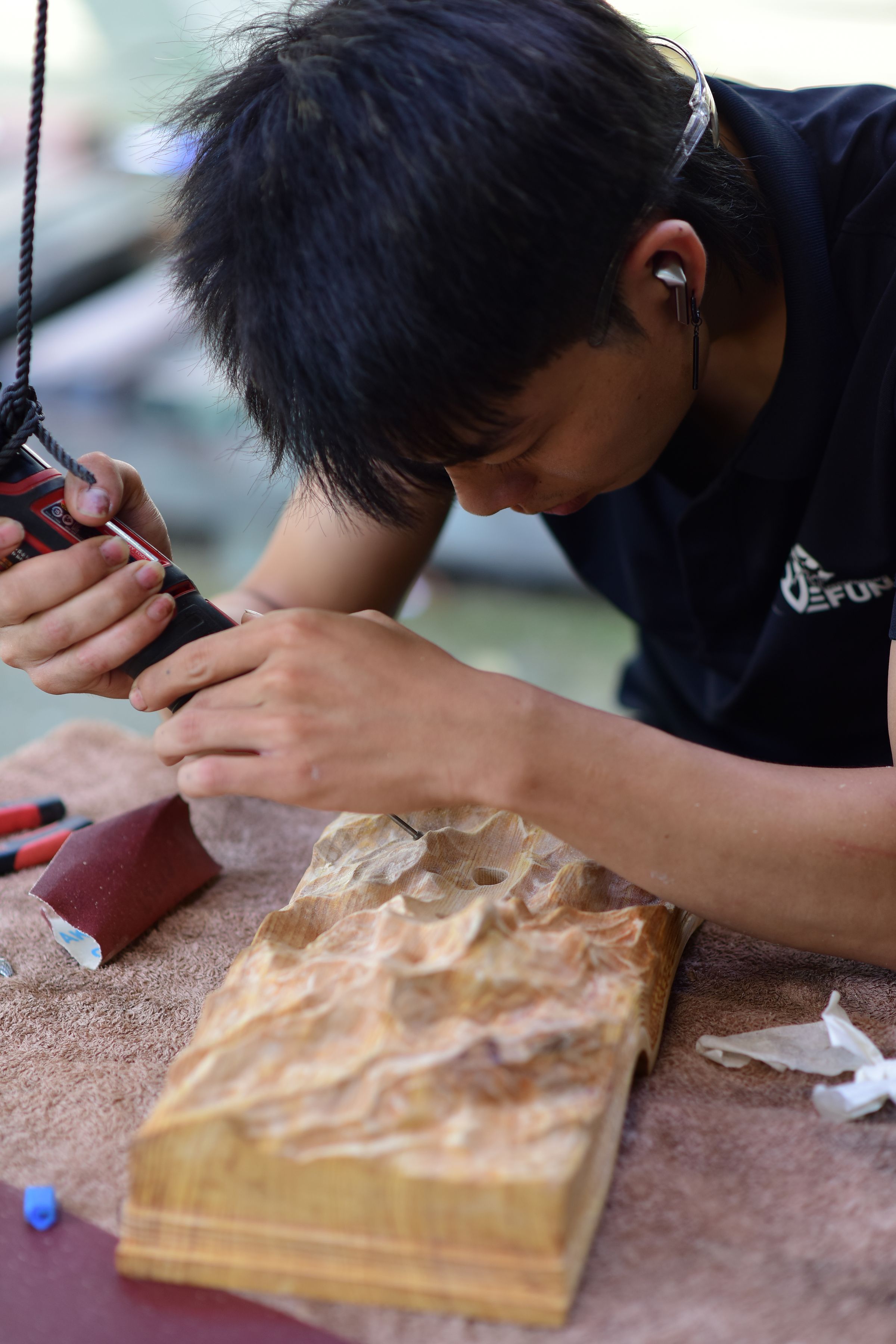
Morning light enters a small taller through a window that has never quite closed all the way. An artisan is shaping a piece of guayacán that has been drying in a corner for three years, unhurried, checking the grain the way another person might check the weather. He does not look up right away. There is no reason to — the wood decides the pace, not the visitor.
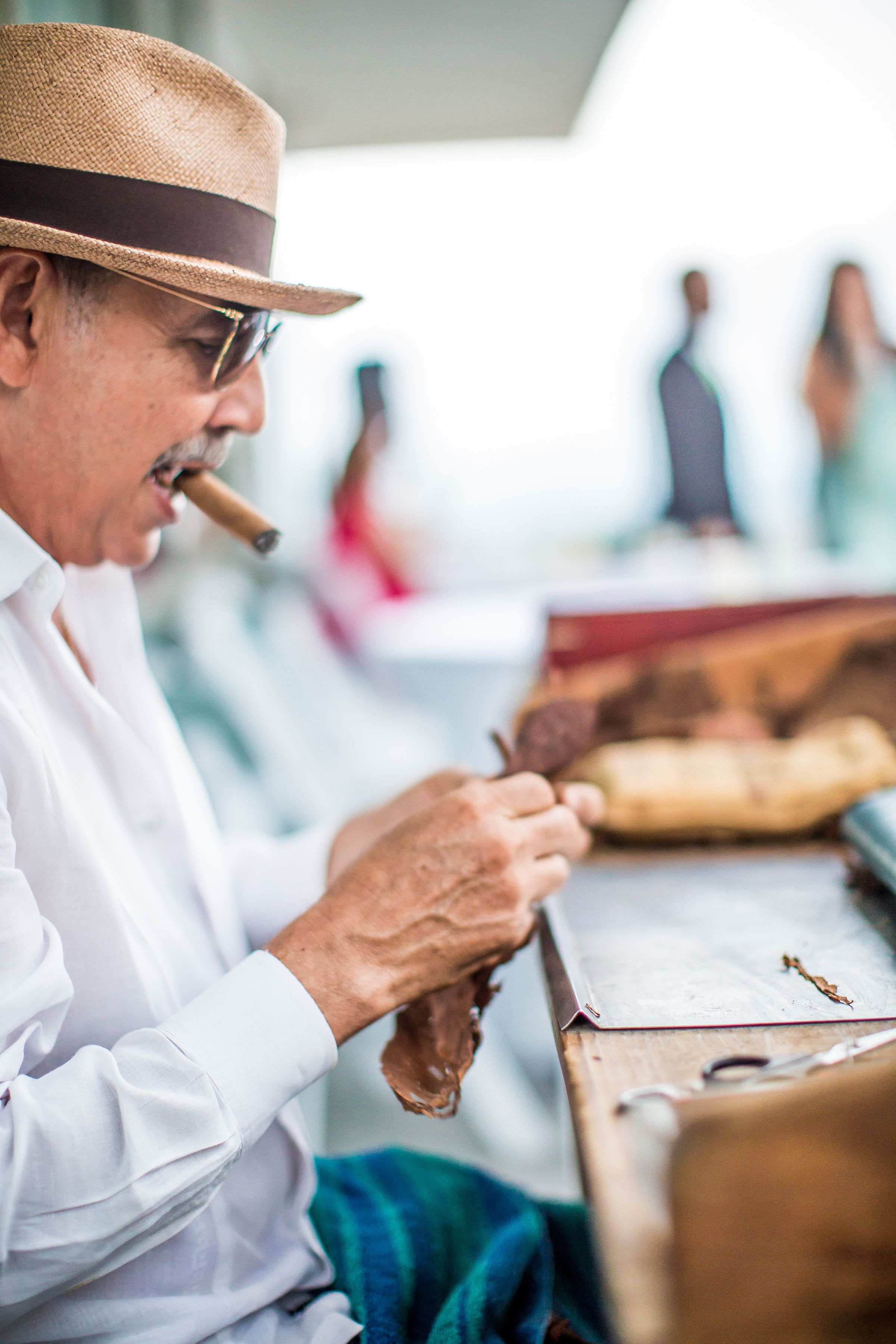
A few towns over, a family is rolling cigars the way they have for three generations, leaf selected and sorted before anyone speaks. A painter, in a studio with better light than furniture, explains the story behind a canvas that has taken longer to finish than most people spend on entire projects. A baker, hours before the town wakes, pulls pan sobao from an oven that has not been turned off in decades.
No one rushes. No one performs. A Collector standing in any of these rooms is not watching a demonstration — they are witnessing a life that would have looked exactly the same had no one walked in at all. That, more than the finished object, is the thing worth remembering.
A workshop is only worth visiting because of who is inside it. This Collection follows the shape of a real introduction — not a tour of a trade, but a conversation with the person who carries it.
A taller entered quietly, on its own terms, at whatever hour the work is actually happening.
Watching, briefly, before a single question is asked — the work explains itself first.
Who taught them. What it cost to keep going. Why they never considered doing anything else.
Only now does the finished piece matter — and only because of everything that came before it.
What remains after the visit ends — a trade still being carried forward, one apprentice at a time.
The most valuable thing you can take home from Puerto Rico is not something you purchased.
It is the memory of meeting the person who created it.
An object can be shipped. A conversation cannot. The House has come to believe that the second is worth infinitely more than the first — and curates this Collection accordingly.
This is the signature experience of the Collection. A Collector does not attend a workshop merely to make something. They spend time with someone whose work represents generations of Puerto Rican heritage — and leave knowing that person's story, not just their technique. Conversation matters more than production.
A cigar maker, leaf by leaf
A family that has rolled cigars for generations, walking a Collector through every stage — not as a performance, but as a craft they are visibly still proud of.
Pan sobao, before sunrise
A baker who has kept the same oven running for decades, and who will talk about bread the way other people talk about family — because, to her, it is much the same thing.
A woodworker, by hand alone
A craftsman who still works without power tools by choice, and who can explain — better than any museum label — why the wood itself decides what it wants to become.
Depending on the Collector and the season, this experience might instead mean an afternoon with a coffee producer during harvest, a painter explaining the story behind a mural, a musician building a traditional instrument by hand, or an elderly craftswoman teaching techniques passed down through her own family. The maker changes. The intention — conversation over production — never does.
These are not craft categories to shop. They are the trades, and the people, most likely to become the reason a Collector remembers this Collection at all.
A family-owned cigar maker
It matters because rolling a cigar well takes years to learn and a lifetime to master, and because the families still doing it treat the craft as an inheritance, not a business model.
Ask which leaf is their own, and which they still buy in. The honest answer says more than any brochure.
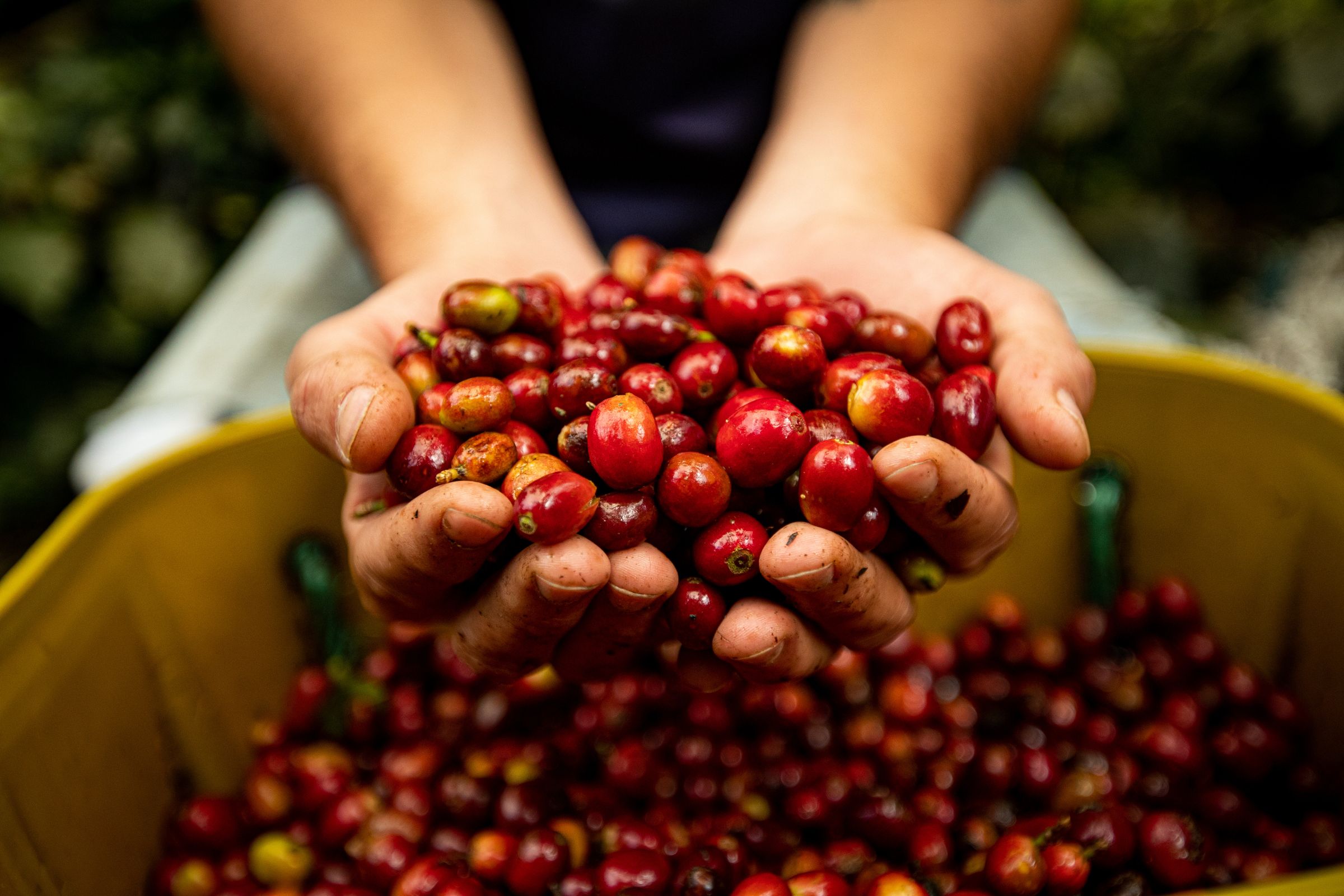
A highland coffee grower, mid-harvest
It matters because a hillside that has been farmed by the same family for generations teaches more about patience than almost anything else on the island.
Visit during harvest if the season allows it. The work is more honest than the tasting room ever could be.
A traditional baker, working before sunrise
It matters because pan sobao is still, in most towns, made the same way it always has been — by someone who could have automated it decades ago and chose not to.
Arrive while the ovens are still warming. That is when the conversation is easiest.
A santero, carving guayacán by hand
It matters because the carving of santos is one of Puerto Rico's oldest continuous traditions, and because the wood itself — dense, slow-growing — demands a patience few crafts still require.
Ask about the piece that took longest to finish. It is rarely the one on display.
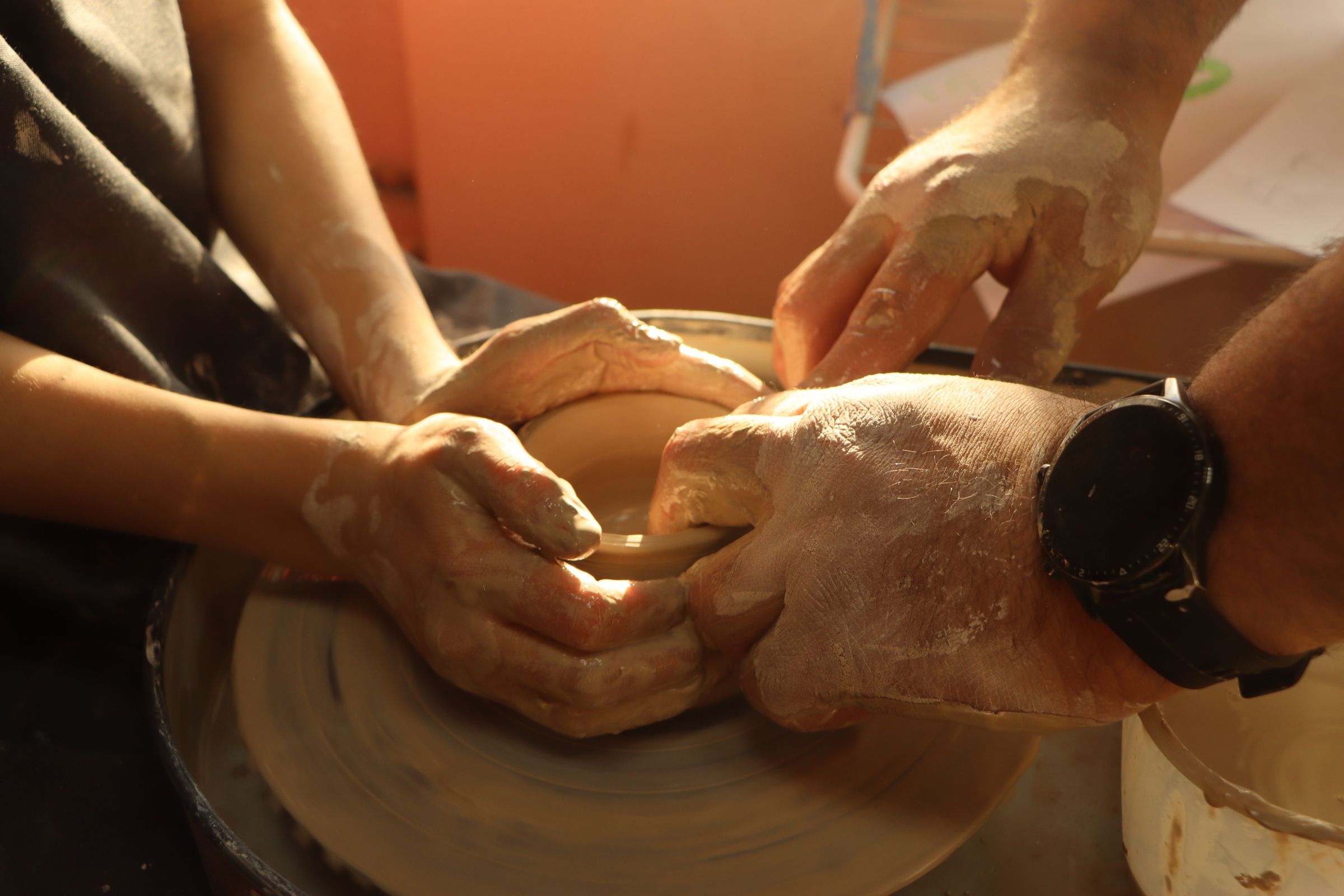
A ceramic artist, working in barro
It matters because some of the island's oldest forms — vessels, cooking tools, ceremonial pieces — began exactly this way, and still do, in a handful of studios that never stopped.
Ask what the clay is from. On this island, the answer is often a specific hillside, not a supplier.
A boat builder, and the fishermen who use his boats
It matters because a hand-built fishing boat is still, in some coastal towns, a more trusted piece of engineering than anything bought new — and because the men who build them rarely think of themselves as artists, despite clearly being exactly that.
Go early, before the boats leave for the day. That is when the builder is easiest to find.
A small, independent rum distiller
It matters because Puerto Rico's rum tradition is far older and far more varied than the brands most Collectors already know, and the smallest producers are usually the most willing to talk through exactly how it's made.
Ask what they would change about their own process. The honest ones always have an answer.
A heritage farm, growing what it has always grown
It matters because these are the farms supplying the cooks, weavers, and culinary artisans across this whole Collection — the quiet root system underneath everything else on this list.
Ask what their grandparents grew here. The answer is usually still growing.
These are represented as they most often appear, not as a guarantee. A maker's health, season, and willingness to welcome a stranger into their taller all shape what actually finds its way into any given Edition. The House curates; it does not template.
A number of words appear throughout this Collection without translation, the way they would in conversation. Their meanings, for the Collector who wants them, are gathered quietly here — a margin, not a glossary.
An artisan — someone whose skill has been refined by years of repetition, rather than formal training alone.
A workshop, often small and family-run, where a craft is practiced daily rather than performed occasionally.
Clay, and by extension the pottery made from it — a material older than the buildings built on top of it.
A wooden mortar, traditionally used for mashing plantain, often carved by hand and kept for generations.
A tobacco farmer, from vega, the fertile lowland where the best leaf is grown.
A ceremonial or communal gathering ground, a term inherited from the island's Taíno past.
A hammock — originally a Taíno invention, still hand-woven by a small number of families.
Lignum vitae, one of the densest woods in the world, prized by carvers for how long it lasts.
A simple hand tool, sharpened and weighted for planting — a Taíno design still used on small farms today.
Wood — and, in a workshop, shorthand for the material a piece "wants" to become.
A trade or calling, carried with a dignity the English word "job" does not quite capture.
To manage, to make do, to work skillfully through a difficulty — a verb with no true English equivalent.
Where you stay is decided only after the House understands who is arriving — and for a Collection built around slow cultural discovery, that usually means somewhere close to the artisan communities themselves. What follows is a sense of the range the House works within, not a menu to choose from.
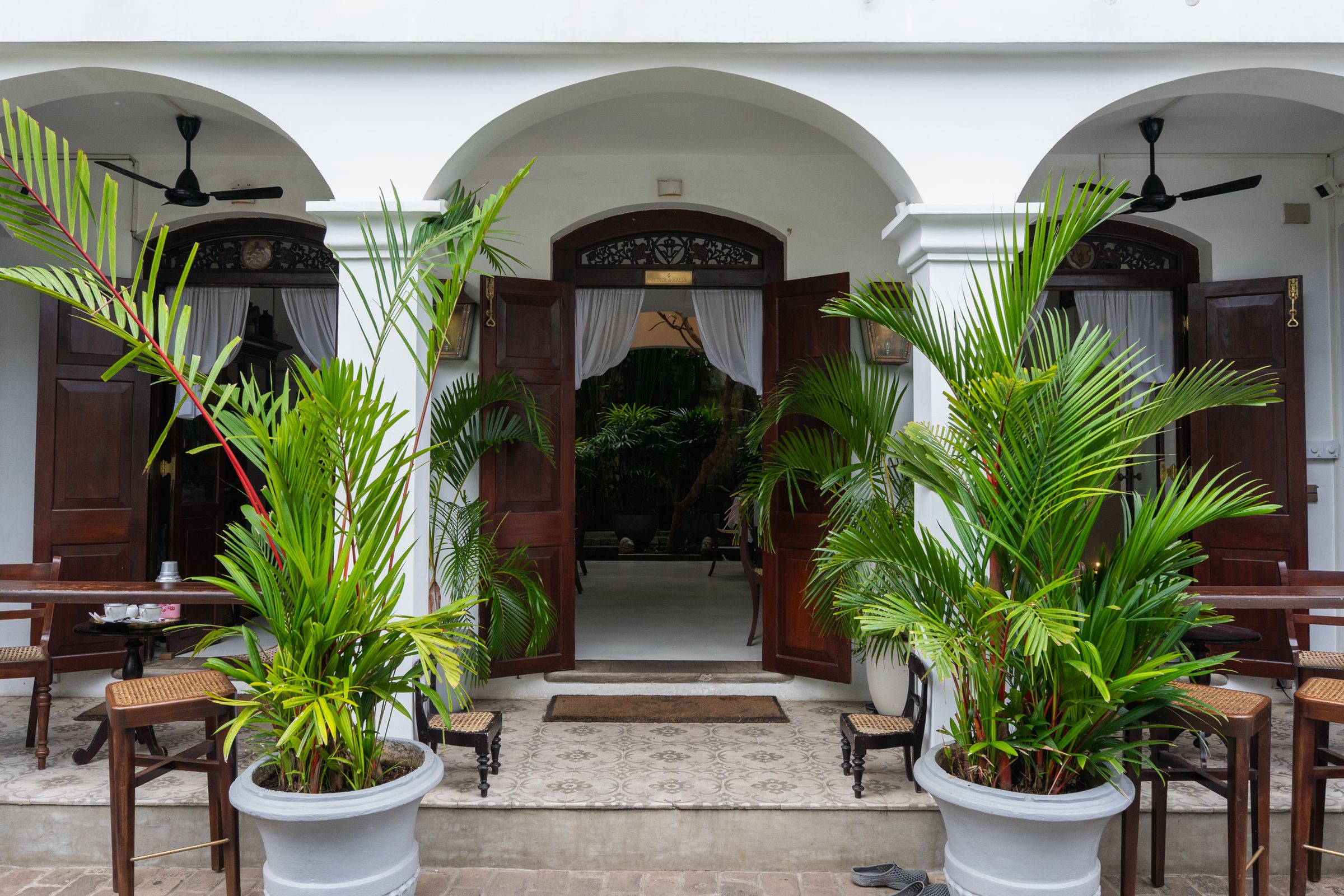
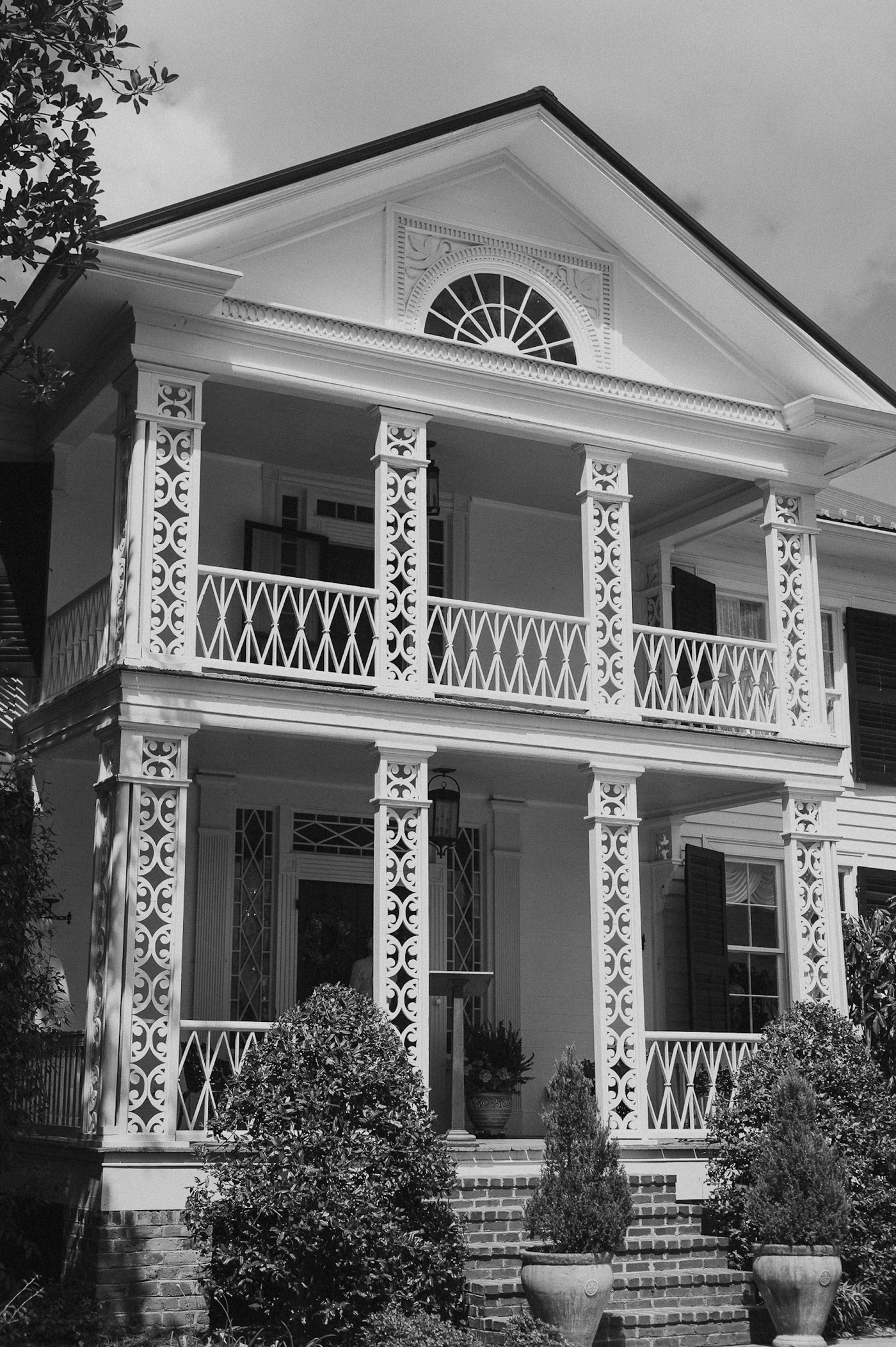
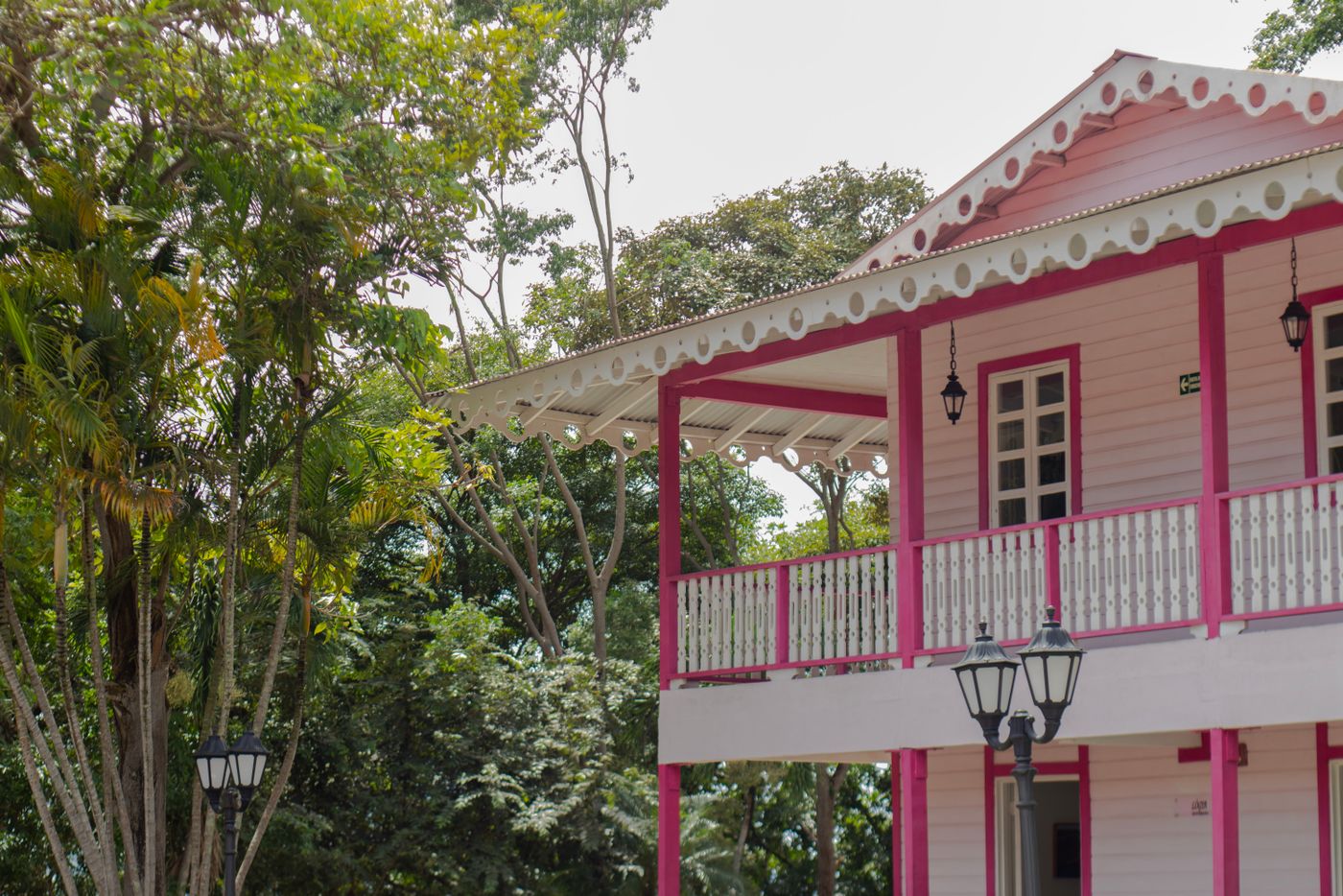
A carefully restored residence with the architecture — and the patience — of another century, chosen for Collectors who notice craftsmanship in the walls as much as on the shelves.
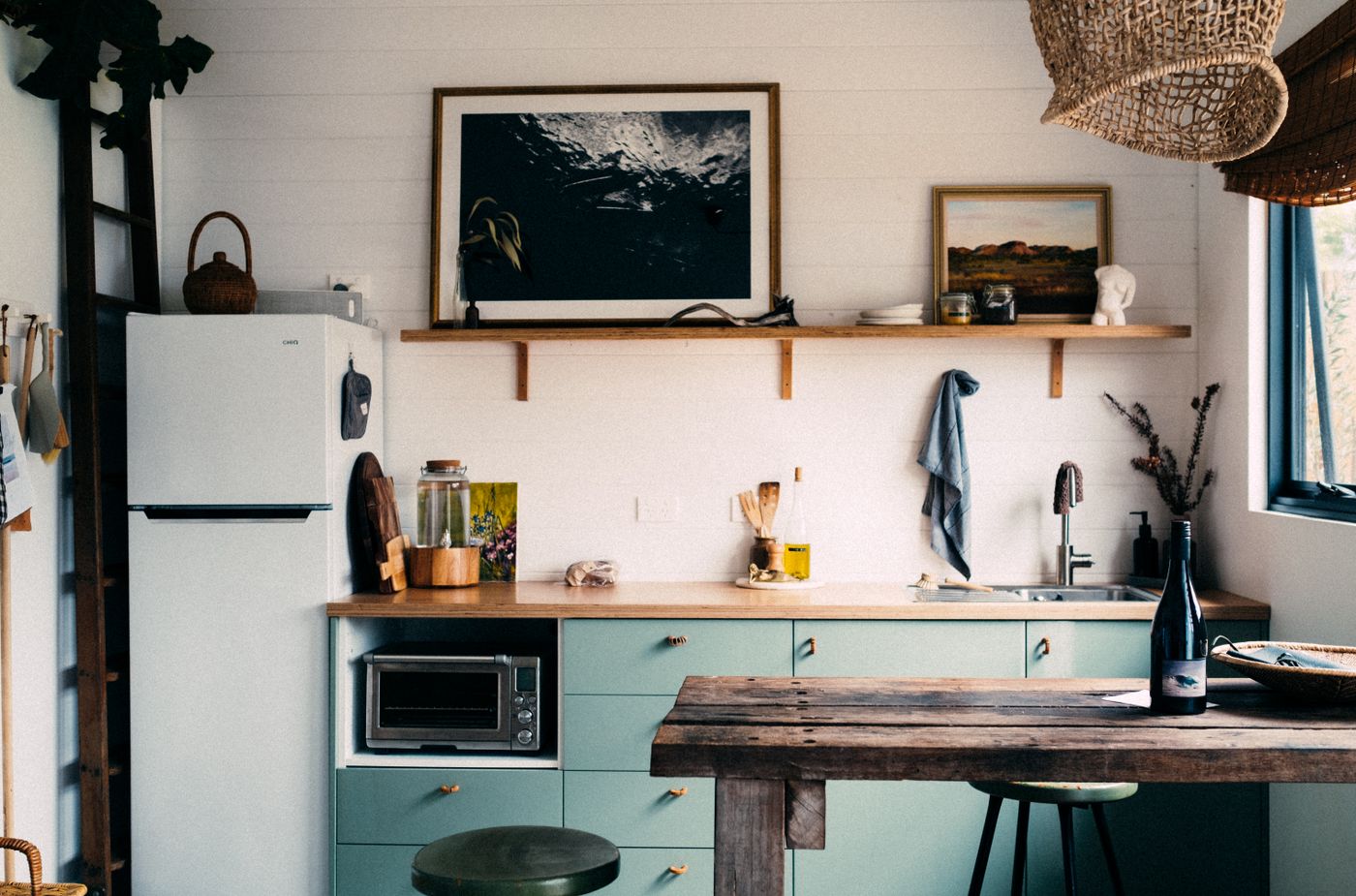
A small, thoughtfully designed property, often furnished with pieces made by the very hands this Collection introduces — a residence that is itself a kind of introduction.
A countryside property positioned near several of the workshops and farms this Collection features — chosen for proximity to the people, not just the view.
This Collection is for Collectors who would rather meet a maker than browse a market. Who understand that craftsmanship is not merely the creation of beautiful objects, but the preservation of identity — and who are curious enough to ask a stranger about their life's work, then genuinely listen to the answer.
It is not for Collectors seeking a fast souvenir or a photograph of someone working. It rewards patience, humility, and a willingness to sit quietly in a workshop until a conversation begins on its own.
If you believe the true masterpiece is the relationship, not the object, this Collection was written for you.
A Collector rarely remembers the object's price.
They remember the hands that shaped it, and what those hands were willing to teach them.
A small, changing set of references the House associates with this Collection — not a packing list, and not required reading. Simply what comes to mind.
A worn workbench, polished by decades of use — the varnish long gone, replaced by something better: the shine of actual work.
A recipe that was never written down — kept safe the way it always has been, inside someone's memory rather than on a page.
Brushes stained permanently with color — cleaned out of habit, never quite back to their original shade.
Calloused hands that still create beautiful things — proof that the work has never once been easy, and was never expected to be.
A story that survives because someone continued the craft — the only real insurance a tradition like this ever has.
"We came expecting to buy beautiful objects and bring them home. We did — but that is not what we actually remember. We remember a woman with flour on her hands who let us watch her work before she'd said a word to us, and a carver who spoke about a single piece of wood the way other people speak about their children. The objects sit on our shelf now. The people are the ones we still think about."
From a Collector's letter, after an afternoon spent in three workshops
Celebrations
If Hands of Puerto Rico teaches who keeps the island alive, Celebrations reminds us why those moments deserve to be remembered.
Explore the Collection →The Family Table
Back to the table where many of these same hands — a baker's, a coffee grower's — first met a Collector, over a meal rather than a workbench.
Read the Collection →The Journal
Further essays on the House's philosophy, the island, and the people who shape both.
Read the Journal →Every Collection begins as a conversation. The places come later.